
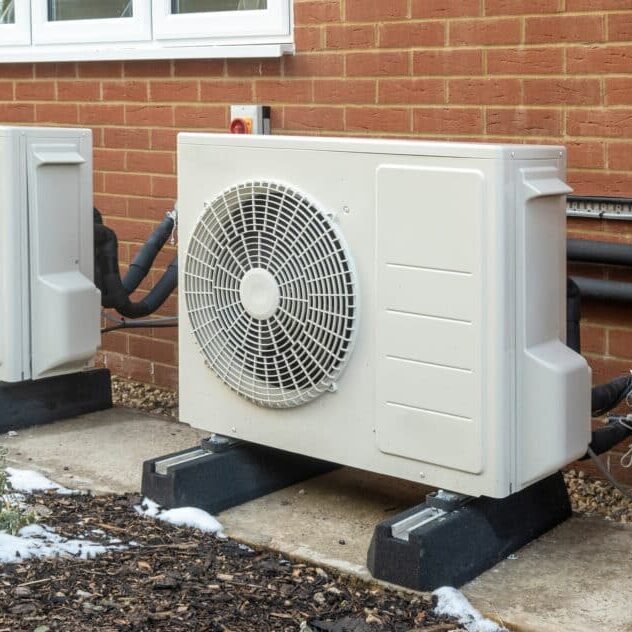
Building owners can take advantage of a wide range of heat pump incentives designed to make energy-efficient installations more affordable. These incentives typically come in the form of rebates, tax credits, grants, and special loans that help reduce the cost of high-performing equipment. By offering financial support, these programs make it easier for property owners to invest in heat pump systems that exceed the basic requirements set by energy codes, ultimately saving on energy costs in the long term.
Incentive programs are available from various sources, including government entities and utility providers at the local, regional, or federal levels. With the U.S. government’s commitment to reducing carbon emissions and energy consumption, there are several benefits to promoting the adoption of energy-efficient systems. Lower energy use directly reduces costs for consumers, while also easing the burden on the existing energy infrastructure. Furthermore, these incentives help stimulate job creation within the green sector, promote energy security, and support national sustainability goals.
Why Utility Providers Offer Incentives
At first, it may seem counterintuitive for utility companies to offer incentives that encourage lower energy consumption. After all, these companies profit from the energy they sell. However, utilities recognize that reducing energy demand helps avoid the high costs associated with expanding energy production and distribution infrastructure. By incentivizing energy-efficient systems, they can help avoid the need for additional capacity, benefiting both the utility companies and consumers.
Types of Heat Pump Incentive Programs
Heat pump incentive programs come in a variety of forms, each with its own set of conditions and eligibility criteria. Here are the most common types of incentives available:
- Grants: Non-repayable funds provided to cover part of the installation costs, typically given before the work begins.
- Tax Credits/Deductions: Financial benefits that reduce the amount of taxes owed, helping to offset upfront costs.
- Rebates: A refund of a portion of the purchase price, typically issued after the system is installed and paid in full.
- Special Term Loans: Loans with favorable conditions, such as lower interest rates or extended repayment terms, to help building owners finance their investments.
How to Find Relevant Heat Pump Incentives
Finding the right incentive programs for your building can be challenging due to the variety of sponsors, specific restrictions, and limited application periods. Local utility companies are often a great place to start when searching for incentives. Additionally, there are two key national resources provided by the U.S. Department of Energy to help navigate available incentives:
- Database of State Incentives for Renewables & Efficiency (DSIRE): This online resource allows you to filter search results by location, technology, incentive type, and more. Visit DSIRE
- Better Buildings Solution Center: A resource offering guidance on energy-efficient upgrades and financing options. Explore the Better Buildings Solution Center
Federal Incentives for Commercial and Multifamily Buildings
The Inflation Reduction Act of 2022 introduced new federal tax deductions for energy-efficient improvements in commercial buildings. One key provision is the Commercial Building Deduction (179D), which was first established in 2006 and made permanent in 2021. As of 2023, the deduction amount has increased, allowing property owners to claim greater savings on energy-efficient upgrades. These provisions apply to new and existing buildings, including those at least four stories high as defined by ASHRAE Standard 90.1.
- New Buildings: A reduction in energy use intensity (EUI) of at least 25% compared to the most recent ASHRAE Standard 90.1.
- Existing Buildings: A requirement to reduce EUI by 25% through energy efficiency improvements, such as updates to HVAC, lighting, and insulation.
To qualify, a qualified retrofit plan must be certified by a licensed professional, and performance savings must be verified a year after the system is operational.