
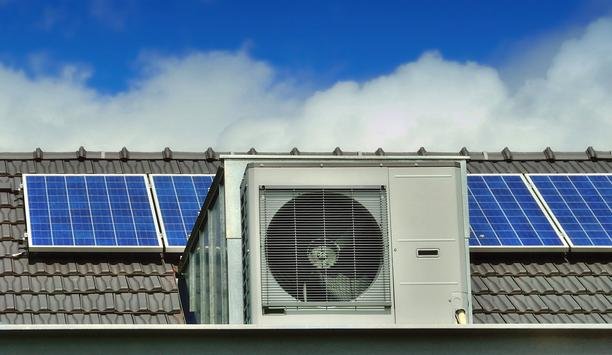
On January 1, 2023, the Department of Energy (DOE) implemented new minimum efficiency standards for air conditioners. Along with these updated efficiency standards, a new residential testing procedure was introduced to ensure more accurate and stringent testing of residential equipment.
Key Updates in Residential Testing Procedures
The new testing procedures, which only apply to single-phase equipment with a capacity of 65 MBh or less, introduced new performance metrics:
- SEER2 (replaces the old SEER)
- HSPF2 (replaces the old HSPF)
- EER2 (replaces the old EER)
These new metrics are part of a more rigorous approach to measuring energy efficiency, ensuring that the equipment tested meets updated energy standards. The key areas affected by these changes include:
- Minimum air handler static pressure
- Fan power for coil-only units
- Heating load calculation
- Heating mode test
- Variable speed factor for SEER2
- Off-mode power test (Note: This test does not impact SEER2/HSPF2 but is regulated separately)
For more detailed information on the testing procedures, refer to the DOE website.
Efficiency Standards
The primary areas of impact Single Phase – 5 tons or less and Single Phase – Commercial products comply with the updated efficiency regulations.
Single Phase – 5 Tons or Less
For residential equipment, most efficiency minimums increased by approximately 7%, following the updated testing procedures. There are regional differences in the requirements for air-cooled equipment, with Southeast and Southwest regions having stricter standards. For example:
- Single packaged air-conditioners must meet the new 2023 EER requirements in the Southwest.
- Northern regions can continue installing equipment manufactured before January 1, 2023, even if they do not meet the new standards.
- Southeast and Southwest regions have banned the installation of units that do not meet the updated standards as of January 1, 2023.
Single Phase – Commercial
For commercial equipment, the DOE raised minimum efficiency standards in two phases:
- A 13% increase in 2018.
- A 15% increase in 2023.
Commercial equipment efficiency requirements now include higher IEER and COP ratings, but EER requirements have been removed. There are no regional standards for commercial products; compliance is based on the ship date of the equipment.
Minimum Cooling Efficiency Standards for Air Conditioning and Heating Equipment (as of January 1, 2023)
| Equipment Type | Cooling Capacity | Heating Type | Since January 1, 2018 | Starting January 1, 2023 |
|---|---|---|---|---|
| Air-Cooled Small Commercial Packaged Equipment | ?65,000 Btu/h and <135,000 Btu/h | Electric Resistance or No Heat | IEER = 12.9 COP = 3.3 |
IEER = 14.8 COP = 3.4 |
| All Other Heating Types | IEER = 12.7 COP = 3.2 |
IEER = 14.6 COP = 3.3 |
||
| Air-Cooled Large Commercial Packaged Equipment | ?135,000 Btu/h and <240,000 Btu/h | Electric Resistance or No Heat | IEER = 12.4 COP = 3.2 |
IEER = 14.2 COP = 3.3 |
| All Other Heating Types | IEER = 12.2 COP = 3.2 |
IEER = 14.0 COP = 3.3 |
||
| Air-Cooled Very Large Commercial Packaged Equipment | ?240,000 Btu/h and <760,000 Btu/h | Electric Resistance or No Heat | IEER = 11.6 COP = 3.2 |
IEER = 13.2 COP = 3.2 |
| All Other Heating Types | IEER = 11.4 COP = 3.2 |
IEER = 13.0 COP = 3.2 |
By understanding the latest DOE efficiency standards, businesses and homeowners can ensure they are using energy-efficient equipment that meets the latest regulations. This helps reduce energy consumption and costs while maintaining compliance with current building codes. For the latest information on energy efficiency and product testing, refer to the DOE and ASHRAE resources.