


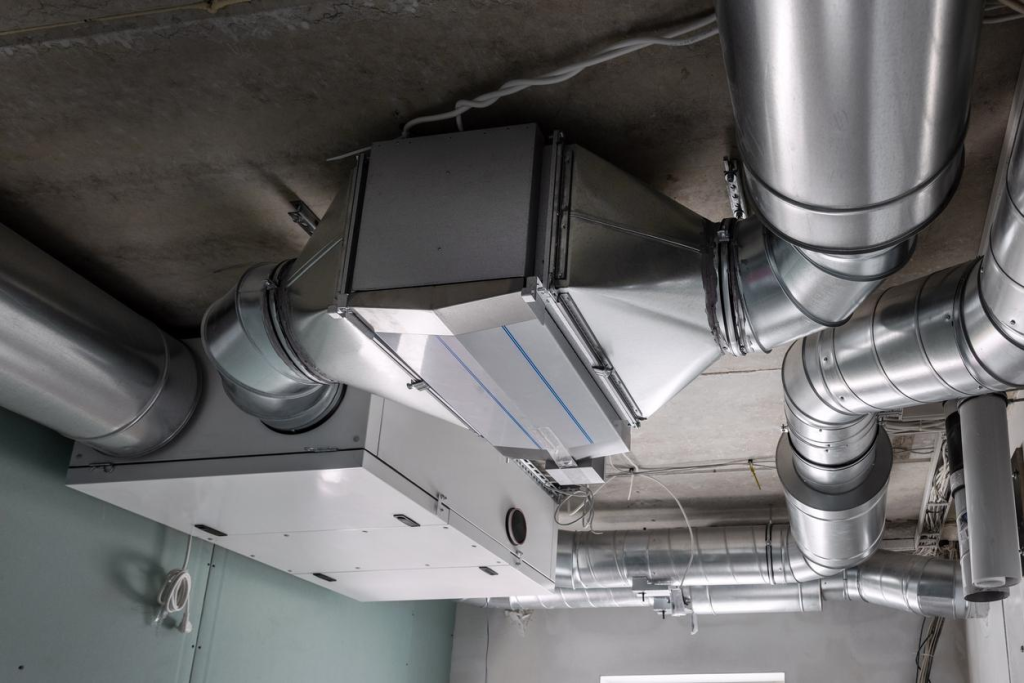
Static pressure refers to the resistance to airflow within an HVAC system, created by the air’s interaction with the walls of ducts, fittings, and system components when the air is at rest. This concept plays a crucial role in determining airflow rates, energy consumption, and system efficiency.
Understanding Static Pressure in HVAC Systems
Static pressure, also known as External Static Pressure (ESP), is the measurement of positive and negative pressures that occur as air moves in and out of an HVAC unit. This pressure is measured in inches of water column (in WC) using a manometer, with the return side experiencing negative pressure and the supply side experiencing positive pressure.
The amount of static pressure in the system is directly controlled by the speed of the supply fan. As airflow increases (measured in cubic feet per minute or CFM), static pressure decreases. To maintain optimal static pressure, many HVAC systems use Variable Air Volume (VAV) systems with Variable Frequency Drives (VFDs) to modulate supply fan speeds.
How Static Pressure Affects HVAC System Performance
- Energy Efficiency: High static pressure forces the supply fan motor to work harder, increasing power consumption. This leads to higher energy bills and reduces overall system efficiency.
- Airflow Distribution: Excessive static pressure can reduce airflow, especially further from the HVAC unit. This may cause uneven temperature distribution and discomfort in various areas of the building.
- Strain on Components: Increased resistance from static pressure can put stress on system components like the blower motor, compressor, and ductwork. This can result in frequent maintenance issues and shorten the lifespan of these components.
- Noise Levels: Higher static pressure often requires the motor to run at higher speeds, which increases noise levels in the system. This can be a nuisance, especially in office or studio environments where noise disruption can affect productivity.
Applications of Static Pressure in HVAC Systems
Static pressure control is essential in various settings where precise airflow management is crucial:
- Cleanrooms: In pharmaceutical and electronics manufacturing, high static pressure ensures that contaminants are kept out of the cleanroom environment.
- Hospital Operating Rooms: Maintaining higher static pressure in operating rooms helps prevent airborne contaminants from entering during surgeries, ensuring a sterile environment.
- Data Centers: Accurate static pressure control is vital for managing airflow, temperature, and humidity in data centers, ensuring the optimal performance of servers and IT equipment.
- Greenhouses: Static pressure helps regulate the airflow, temperature, and humidity needed to support plant growth, ensuring the optimal environment for crops.
- Industrial Ventilation: In manufacturing facilities, static pressure is used to control the intake of fresh air and the expulsion of harmful contaminants, ensuring a safe and comfortable workspace.
Why Maintaining Proper Static Pressure is Important
Keeping the right static pressure balance is essential for the smooth operation of your HVAC system. It ensures that air flows consistently throughout the building, maintaining comfortable indoor temperatures while optimizing energy use. Regular maintenance and proper system design are key to managing static pressure, helping to extend the lifespan of your HVAC system while keeping operational costs low.