


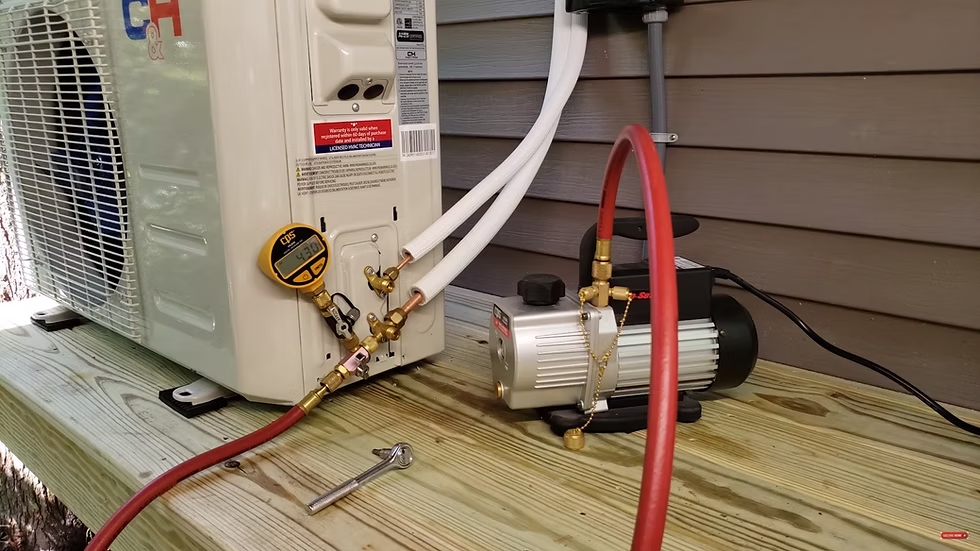
Split system line sizing refers to the process of selecting the correct pipe sizes for connecting the indoor and outdoor units in an HVAC system. Proper line sizing is critical to ensure efficient system operation, prevent failure, and avoid unnecessary maintenance costs. If the lines are incorrectly sized, it can cause major issues that affect the performance of the system or lead to complete system failure.
Why Proper Line Sizing Matters
The size and layout of the piping that connects your indoor and outdoor units directly impact how well your system performs. There are two primary factors to consider when sizing the lines:
- Velocity for Oil Return
- Temperature Loss
In general, smaller pipes have higher velocity but also higher temperature loss, while larger pipes have lower velocity and reduced temperature loss. Let’s break down why these factors matter:
Velocity and Oil Return
Oil return is vital for the compressor’s function. If the oil isn’t properly returned to the compressor, the system’s lifespan could be drastically shortened. A system running without sufficient oil will fail in a matter of days instead of years. If oil gets trapped in the lines and doesn’t return to the compressor, it will result in compressor failure. Replacing the compressor without fixing the line set issue will only cause another failure.
Temperature Loss and Pressure Drop
In HVAC systems, refrigerant exists in both liquid and gas phases. Temperature and pressure are directly linked. As pressure drops along the line set, temperature loss increases. These two factors are often treated interchangeably. Many rating systems rely on temperature loss to evaluate the system’s performance and capacity, helping avoid the need for unique rules for each refrigerant type.
When pressure loss increases, the temperature also rises. This can lead to operational problems, particularly when the refrigerant pressures fall outside acceptable limits.
How Line Sizing Affects System Performance
A poorly designed line set with improper sizing can cause various issues:
- High Pressure Trips: In some cases, pressure loss may cause a system to exceed acceptable limits, triggering a high head pressure trip and shutting down the unit for safety.
- Capacity Loss: Inadequately sized pipes can reduce the system’s capacity to cool effectively, leading to uncomfortable indoor temperatures and reduced efficiency.
- Nuisance Shutdowns: A system with pressure loss during certain operations, like the flush cycle, might not show problems under normal use but could cause trouble during maintenance or other specific tasks.
The Components of a Split System Line Set
Split system line sets consist of different types of pipes, each serving a unique purpose:
Liquid Lines
These are the smaller pipes in your HVAC system and are generally warm to the touch. Liquid lines carry liquid refrigerant from the outdoor unit to the indoor unit. In taller buildings or long line sets, pressure drop due to the height of the liquid column can cause the refrigerant to flash into a gas before reaching the Thermostatic Expansion Valve (TXV). This flashing leads to fluctuations in system capacity and can cause issues with the refrigerant cycle.
Suction Lines
Suction lines are insulated to keep the cool refrigerant inside the pipe and prevent condensation. These lines are responsible for carrying low-pressure gas back to the compressor. For suction lines running vertically, there may be higher velocity requirements and the need for traps to ensure oil return to the compressor.
Discharge Lines
These lines carry hot gas from the compressor. Discharge lines can also be used in hot gas reheat systems or hot gas bypass configurations. Heat pump systems use lines that switch between suction and discharge depending on the mode of operation. Systems with hot gas reheat or heat pump configurations generally require shorter line sets than simpler cooling-only systems.
Important Considerations for Line Sizing
Line sizing is a delicate balance—using the smallest pipes for high velocity or the largest pipes for low temperature loss isn’t always the best solution. Other factors, such as noise levels, refrigerant charge, potential for nuisance trips, and overall system capacity, must also be considered when designing the line set.
Conclusion
Correct line sizing is essential for the efficiency, reliability, and longevity of your split system HVAC system. Whether you’re designing a new system or maintaining an existing one, ensuring that your lines are properly sized can save you time, money, and stress in the long run. Regular checks and adjustments to line sizes help keep your system running smoothly.