


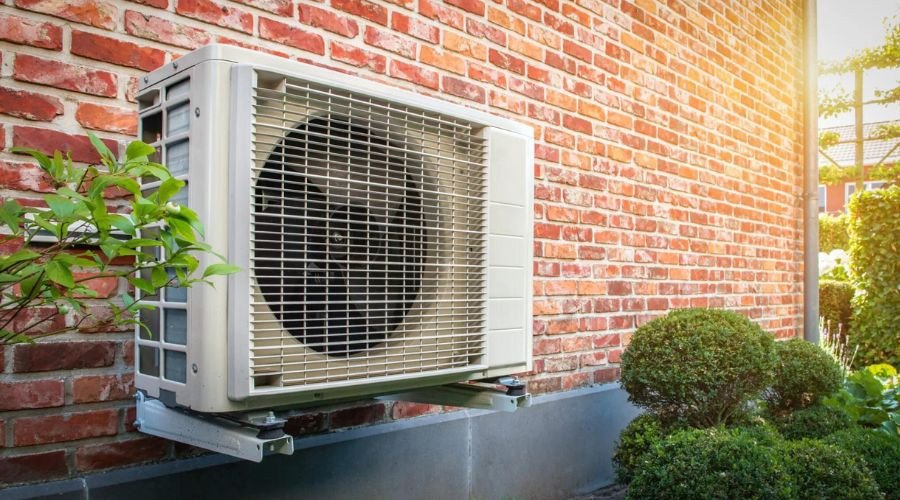
When selecting an HVAC system, understanding the efficiency ratings is crucial. These ratings determine how well an air conditioning or heating unit will perform, specifically regarding energy usage and operating costs. In the U.S., HVAC equipment efficiency is standardized by the Air-Conditioning, Heating, and Refrigeration Institute (AHRI), in collaboration with the Department of Energy. These ratings allow consumers to compare various units and choose the best one for their needs.
Why HVAC Efficiency Ratings Matter
Higher efficiency ratings mean lower energy consumption, resulting in reduced operating costs over time. The more efficient the system, the less energy it uses to cool or heat a space. Here’s a breakdown of the most common efficiency ratings you’ll encounter when selecting HVAC systems:
Key HVAC Efficiency Ratings
1. EER – Energy Efficiency Ratio
The Energy Efficiency Ratio (EER) measures how efficiently an HVAC unit converts electrical energy into cooling capacity, typically at peak load conditions. It is calculated by dividing the cooling capacity (measured in BTUs per hour) by the total energy input (measured in watts per hour). EER is especially important for units operating in hot climates where they run most of the time, such as window units or smaller systems.
The EER2 rating provides a more accurate measure of efficiency by considering part-load conditions during normal operations.
2. SEER – Seasonal Energy Efficiency Ratio
The Seasonal Energy Efficiency Ratio (SEER) measures the total cooling output of an air conditioner or heat pump over an entire cooling season. For systems under 65,000 BTU/hr, SEER is calculated by dividing the total BTUs of cooling output by the total energy consumed during the season. A higher SEER rating indicates that the unit is more efficient, offering better cooling for each unit of electricity used.
The SEER2 rating, which has replaced SEER, is calculated using updated methods that account for real-world performance, providing consumers with a more accurate representation of a unit’s energy efficiency.
3. IEER – Integrated Energy Efficiency Ratio
The Integrated Energy Efficiency Ratio (IEER) is used for larger Commercial systems with capacities over 65,000 BTU/hr. Unlike SEER, which is calculated using a single set of conditions, IEER considers the system’s performance across different temperature conditions throughout the year. This provides a more accurate average energy efficiency, reflecting real-world usage.
The IEER formula takes into account various conditions, such as:
- A: EER at 100% capacity (standard condition at 95°F)
- B: EER at 75% capacity (reduced ambient at 81.5°F)
- C: EER at 50% capacity (reduced ambient at 68°F)
- D: EER at 25% capacity (reduced ambient at 65°F)
4. COP – Coefficient of Performance
The Coefficient of Performance (COP) is a measure of energy efficiency in heating mode. It calculates how much heating output a system produces per unit of energy consumed. A COP value greater than 1 indicates a highly efficient system, such as a heat pump, which typically performs better than electric heating systems. For example, a COP of 3 means the system produces three units of heat for every unit of energy used.
5. HSPF – Heating Seasonal Performance Factor
The Heating Seasonal Performance Factor (HSPF) measures the efficiency of heat pumps during the heating season. It is calculated by dividing the total heating output (in BTUs) by the total energy input (in watts). HSPF helps you understand how efficiently a heat pump operates when heating a space over an entire season. This is important for consumers seeking energy-efficient heating solutions.
What Does “SEER2”, “EER2”, and “HSPF2” Mean?
The “2” suffix on ratings like SEER2, EER2, and HSPF2 indicates a new, more accurate method of calculating energy efficiency. These updated standards consider additional environmental factors, such as the performance of the blower motor, offering a more realistic measure of energy efficiency. While the values may be slightly lower than their predecessors, these updated ratings provide a more precise reflection of how a unit will perform in real-world conditions.
How to Use These Ratings to Choose the Right HVAC System
- EER is most useful for systems that operate in high-heat environments, such as window units or smaller, single-zone cooling systems.
- SEER is ideal for evaluating residential air conditioners and heat pumps, especially in warmer climates where the unit will run for extended periods.
- IEER is important for larger commercial systems, as it provides an integrated view of the unit’s efficiency across various conditions.
- COP and HSPF are vital for consumers considering heat pumps, as these ratings assess heating efficiency over an entire season.
Conclusion
By understanding HVAC efficiency ratings, you can make an informed decision about which system best suits your needs and budget. Whether you’re looking for energy-efficient cooling with SEER, heating with COP or HSPF, or evaluating larger systems with IEER, knowing these terms will help you choose a unit that maximizes both performance and energy savings.
How Does Ductless Air Conditioning Work?
Ductless air conditioning systems offer an energy-efficient and cost-effective solution for cooling older homes or additions where installing traditional ductwork isn’t practical. Instead of undergoing a major renovation to install ducts, homeowners can opt for a ductless system that requires minimal structural changes and delivers targeted, reliable comfort.
Key Components of a Ductless Mini-Split System
A ductless air conditioning system, also known as a mini-split system, includes two main parts:
- Outdoor Compressor Unit – This is the main component installed outside the home, typically on a concrete pad.
- Indoor Air Handling Unit (Fan Unit) – Mounted on an interior wall, this unit is responsible for distributing cool air into the room.
These two components are connected by copper refrigerant lines that pass through a small opening in the wall. The indoor unit draws power from the outdoor system, meaning no extra wiring is needed inside the room.
How Ductless Cooling Systems Operate
While similar in function to central air systems, ductless AC units don’t require ductwork to move air.
Here’s how it works:
- The outdoor unit compresses and cools the refrigerant, sending it through the copper lines to the indoor unit.
- The indoor air handler then releases the cooled air directly into the space.
- As cold air settles and warm air rises, the system pulls in the warm air, extracts its heat and moisture, and sends it back to the compressor to restart the cycle.
This efficient process allows for quick, quiet, and consistent cooling without the energy loss associated with ducts.
Benefits of Ductless Air Conditioning
- Zoned Comfort: Cool individual rooms or zones independently.
- Energy Efficiency: Reduce energy consumption and utility bills.
- Quiet Operation: Enjoy a peaceful indoor environment with whisper-quiet performance.
- Improved Air Quality: Helps manage humidity and minimize airborne contaminants.
- Flexible Installation: Ideal for older homes, renovations, garages, and room additions.
Explore Ductless Cooling with Coolax USA
Not sure if a ductless AC system is the right fit for your Orlando-area home? The team at Coolax USA is here to help. Our HVAC specialists will guide you through the options and find the best solution for your comfort and budget.
? Call us today or schedule your consultation online to learn more about the benefits of ductless air conditioning.